Saturn
Saturn, the sixth planet from the Sun, is known for its spectacular ring system, the most extensive and complex in the solar system.
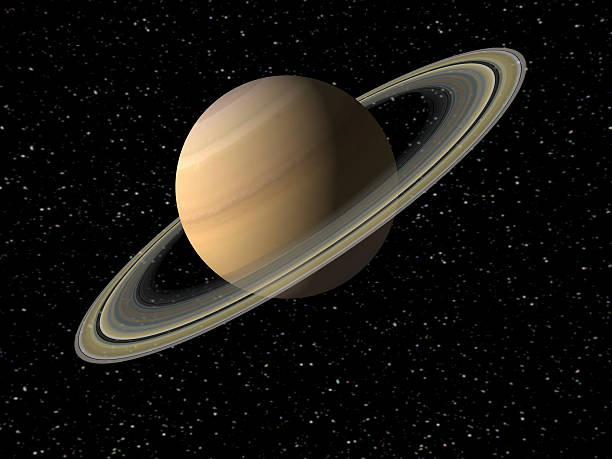
Saturn, the sixth planet from the Sun, is known for its spectacular ring system, the most extensive and complex in the solar system.
Saturn is the second-largest planet in the solar system, a gas giant made primarily of hydrogen and helium. It is famous for its extensive and beautiful ring system. Saturn has been a subject of fascination for astronomers for centuries, and its rings are one of the most recognizable features in the solar system.
Saturn's atmosphere is composed mostly of hydrogen and helium, with trace amounts of methane, ammonia, and other gases. The planet's weather is dynamic, with powerful storms, strong winds, and a constant rotation of gases around its poles.
Saturn's ring system is its most famous feature. The rings are made of billions of ice and rock particles and are divided into several sections. The rings are incredibly thin, with a thickness of only a few kilometers but extending over 280,000 km in diameter. They are the largest and most complex ring system in the solar system.
Saturn has over 80 moons, including Titan, the second-largest moon in the solar system. Titan is larger than the planet Mercury and has a thick atmosphere. Other notable moons include Rhea, Enceladus, and Mimas, many of which show signs of past or present geological activity.
Saturn has been visited by several spacecraft, including NASA's Voyager missions, which provided detailed images of its rings and moons. In 2004, the Cassini-Huygens mission entered orbit around Saturn and explored the planet and its moons in detail for over 13 years, providing invaluable scientific data about Saturn’s atmosphere, moons, and rings before its end in 2017.